
Most don't know that their home's brickwork is super absorbent - and water is opportunistic. When it comes to your chimney in the wintertime, this can create some real problems. Essentially, water enters your chimney's brickwork, and when cold temps hit, that water freezes, expands, and creates hairline cracks - crack that may not seem like a huge deal now, but eventually create big problems when more water enters during the next thaw.
How Does the Freeze/Thaw Process Work?
Brick and mortar are porous, so rain and moisture quickly soak into it when given free rein. The water then sits in those pores until freezing temps come around, after which it expands. The pressure spalls the face of the brick and washes soft lime out of the joints. One cold night rarely finishes the job, but a run of winter days turns a hairline gap into a leak you notice indoors.
- Water Sneaks In: Moisture from rain or melted snow slips into tiny, hidden cracks in rock, concrete, or asphalt, looking for a cozy spot to sit.
- The Big Freeze: As soon as the temperature dips below freezing, that trapped water turns into rock-hard ice.
- Flexing and Expanding: Here's the kicker—water is one of the few liquids that grows when it freezes, swelling by about 9%.
- Pressure Pushback: Trapped in a tight space with nowhere to go, the expanding ice presses outward with immense force against the surrounding walls.
- The Crack Widens: Under all that strain, the material gives in, causing the crack to stretch, deepen, and split a little further.
- The Thaw Reset: The weather warms up, the ice melts back into water, and it flows even deeper into the newly enlarged crack.
- Repeat to Destruction: Every time the weather swings back and forth, the cycle gets stronger. Over time, this constant push-and-pull is what turns solid boulders into rubble and smooth roads into giant potholes.
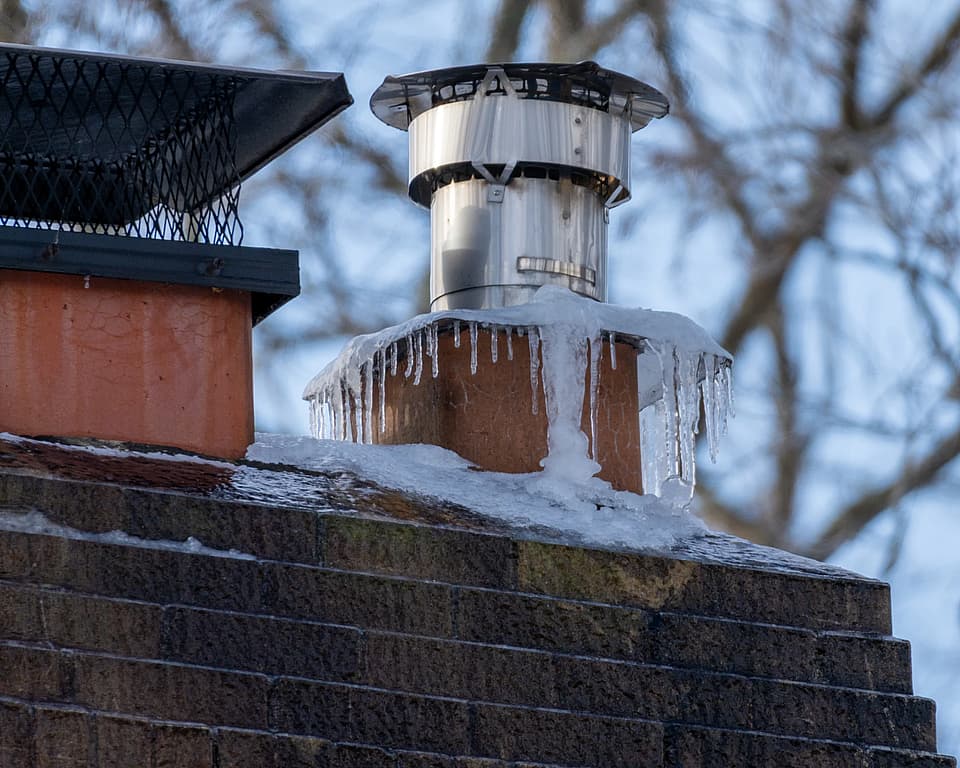
Homeowners usually see the result, not the cycle. Ceiling stains near the stack, a white mineral crust on the firebox, crumbly mortar, or a damp smell after a storm. Those are clues that water has already been moving through the chimney.
How Does Water Get Into My Masonry?
Water intrusion is one of the most destructive issues facing masonry chimneys because bricks and mortar act like natural sponges that absorb moisture. When rain, melting snow, or internal condensation penetrates the chimney structure, it can lead to rusting dampers, rotting wood framing, crumbling brickwork, and interior wall damage.
- Missing Chimney Cap: Rain and snow fall directly down an open flue into the fireplace.
- Cracked Chimney Crown: Fractures in the top concrete slab allow water to soak into the inner brickwork.
- Porous Bricks and Mortar: Unsealed masonry absorbs moisture, which expands during freeze-thaw cycles and breaks the brick surfaces.
- Faulty Roof Flashing: Rusted or improperly sealed metal flashing allows rainwater to leak in where the chimney meets the roof.
- Internal Flue Condensation: Damaged liners or exhaust from gas appliances trap moisture inside the chimney walls.
Addressing these vulnerable access points early through waterproofing treatments, crown repairs, flashing re-sealing, or installing a quality chimney cap will safeguard your home against hidden water damage and preserve the structural integrity of your masonry for years to come.
“Water intrusion is one of the most destructive issues facing masonry chimneys...”
Can Water Damage Spread Through My Chimney & Into My Home?
Yes, water damage can easily spread from your chimney into the rest of your home. Because chimneys are heavy masonry structures that extend from the open air down through your roof, attic, and living spaces, water that enters the chimney rarely stays contained inside the brickwork. Left unchecked, moisture naturally migrates outward into adjoining building materials.
Catching a chimney leak early is crucial because interior restoration costs often far exceed the price of simply fixing or waterproofing the chimney itself. If you notice water spots on ceilings near your fireplace or smell a musty odor after it rains, an inspection is needed right away to locate the source before structural damage expands.
How Can I Prevent Water Damage & Freeze/Thaw Cycles?
Dealing with chimney leaks and freeze-thaw damage usually comes down to one simple rule: keep the water out, but give any trapped moisture a way to escape. Because bricks naturally soak up water like a sponge, winter freeze cycles can expand that trapped liquid and literally pop the faces right off your bricks. To keep your chimney dry and intact year-round, here are the most effective steps you can take.
- Apply a Breathable Water Repellent: Spray the exterior bricks with a siloxane or silane-based sealant. Unlike thick paints or silicone seals that trap moisture inside, these let water vapor escape while keeping driving rain from soaking in.
- Put On a Full-Coverage Chimney Cap: Install a sturdy stainless steel cap over the open flue top. It’s the easiest way to block heavy rain, snow, and ice from dumping straight down into your home.
- Fix up the Concrete Crown: Check the concrete slab at the very top for cracks. Patch small gaps with an elastomeric crown sealant so water slides right off instead of pooling and soaking into the bricks below.
- Check the Roof Flashing: Make sure the metal flashing where the chimney meets your roof is tight, rust-free, and properly sealed. Loose or damaged flashing is one of the most common causes of hidden attic leaks.
- Tuckpoint Old Mortar Joints: If your mortar feels soft, powdery, or cracked, scrape it out and replace it with fresh mortar before applying any sealer. Strong mortar joints are your chimney's first line of defense.
Taking care of these quick fixes before freezing weather arrives will save you from massive brickwork headaches down the road. If you're unsure about climbing onto the roof yourself, bringing in a chimney sweep for a quick pre-winter checkup is always a smart move.
Ready to make sure your chimney masonry is protected against water?
We answer the phone.